Best Massachusetts Colocation: Compare Top Data Centers & Hosting Options

Massachusetts, especially Greater Boston, has nearly 50 data centers in multiple metro clusters with strong colocation capacity and carrier neutral infrastructure.
Providers offer flexible colocation from small rack space to full high density suites without large upfront costs.

Massachusetts Prices

1 to 2U (1-3Amp 120v, 1-5TB)
24U – 2 to 3kW & 100M to GIGe (+)
Standard Density 48U – 2 to 5kW & 100M to GIGe (+)
High Density 48U – 10 to 17kW (3ph) & 1M to GIGe (+)
Standard 4 rack private cage, 5kW per rack & GIGe (+)
High Density 4 rack private cage, 20kW per rack & GIGe (+)
Massachusetts
$238 – $475
$1425 – $1663
$1425 – $1781
$2375 – $4940
$5225 – $5700
$15675 – $21375

Prices may change, to clarify the price leave a request

Compare prices in with nearby cities and states

1 to 2U (1-3Amp 120v, 1-5TB)
24U – 2 to 3kW & 100M to GIGe (+)
Standard Density 48U – 2 to 5kW & 100M to GIGe (+)
High Density 48U – 10 to 17kW (3ph) & 1M to GIGe (+)
Standard 4 rack private cage, 5kW per rack & GIGe (+)
High Density 4 rack private cage, 20kW per rack & GIGe (+)
New York
$124 – $238
$855 – $1045
$1188 – $1781
$2613 – $5225
$5463 – $5938
$15913 – $20425
New Jersey
$94 – $156
$665 – $950
$1045 – $1781
$2613 – $5225
$5463 – $5938
$15913 – $20425
Santa Clara
$62 – $185
$855 – $1425
$1425 – $2138
$2375 – $4940
$5225 – $8455
$15200 – $22705
Dallas
$124 – $238
$1045 – $1425
$664 – $1781
$712 – $4465
$4038 – $5700
$13300 – $17100

Prices may change, to clarify the price leave a request

Why We’re Different

Massachusetts, especially Greater Boston, is a standout colocation market, combining a deep tech ecosystem, strong infrastructure, and plenty of room to scale.

At QuoteColo we match your power, rack space, and network needs, then help you choose the right Massachusetts facility so you are not overpaying for features you do not need.”

Request Custom Quote
Bob Spiegel, CEO at www.quotecolo.com

How It Works

Step 1
Step 1
Submit Your Request

Share your specific needs (e.g., power, location, etc.).

Step 2
Step 2
Get Quotes Quickly

Connect with Bob (or sales) via email or phone to review your specifications. Clients will receive immediate provider contacts and pricing.

Step 3
Step 3
Make An Informed Decision

Multiple qualified providers will connect with you directly. You decide on which option is best for organization. There is no obligation.

Why Choose Us

  • Access to 500+ Hosting Colocation Facilities
  • 10% OFF Avg. Annual Savings
  • Trusted service since 2004

Get Free Quotes From Providers

Describe your needs and and we’ll email you 3-5 options with pricing and terms from providers that match. Free.

    Compare Top 20 US Colocation Providers

    We’ve brokered colocation for 20+ years across 500+ US providers.

    Get an objective comparison to find real value on power, uptime, and connectivity.


    View the Comparison

    Why Massachusetts Colocation Makes Sense

    • High connectivity & peering density: Colocation facilities in Massachusetts (especially around Boston/Cambridge) connect to major cloud providers and internet exchanges, enabling low latency, high bandwidth and reliable network routes.
    • Strong enterprise infrastructure & compliance support: Many data centers meet strict standards, and offer robust power, cooling, physical security, remote-hands support, and compliance certifications – important for mission-critical workloads.
    • Flexible hosting models for varied business sizes: Whether you’re a small startup needing modest infrastructure or a large enterprise requiring full-suite, high-density hosting – Massachusetts offers colocation options that scale with your needs.
    • Access to a tech-savvy ecosystem & business community: With universities, tech firms, financial institutions, biotech firms, and enterprises located in and around Boston, colocating here gives proximity to partners, clients, talent and infrastructure.
    • Balanced cost vs quality vs location trade-off: While not always the cheapest, the benefits of connectivity, infrastructure, compliance, and flexibility make Massachusetts colocation a competitive middle ground across U.S. markets.

    What “Massachusetts Colocation” Typically Looks Like

    Here are the most common colocation configurations offered across Massachusetts facilities:

    Small-scale / Cabinet / 1U–2U

    For minimal needs, test servers, small deployments, startup hosting.

    Full Rack / Private Cabinet

    For production workloads, backend infrastructure, applications, and business-critical systems requiring dedicated resources.

    Half-Rack / Partial Rack

    For medium workloads requiring more capacity than a single cabinet yet not committing to a full rack.

    High-Density / Custom Suites

    For heavy compute, cloud-adjacent, large-scale deployments, or enterprise setups needing high power, cooling, and bandwidth.

    With this flexibility, businesses of all sizes: from small to enterprise – can tailor their hosting to match growth and workload needs without overcommitting.

    Massachusetts Colocation Market Overview & Infrastructure Snapshot

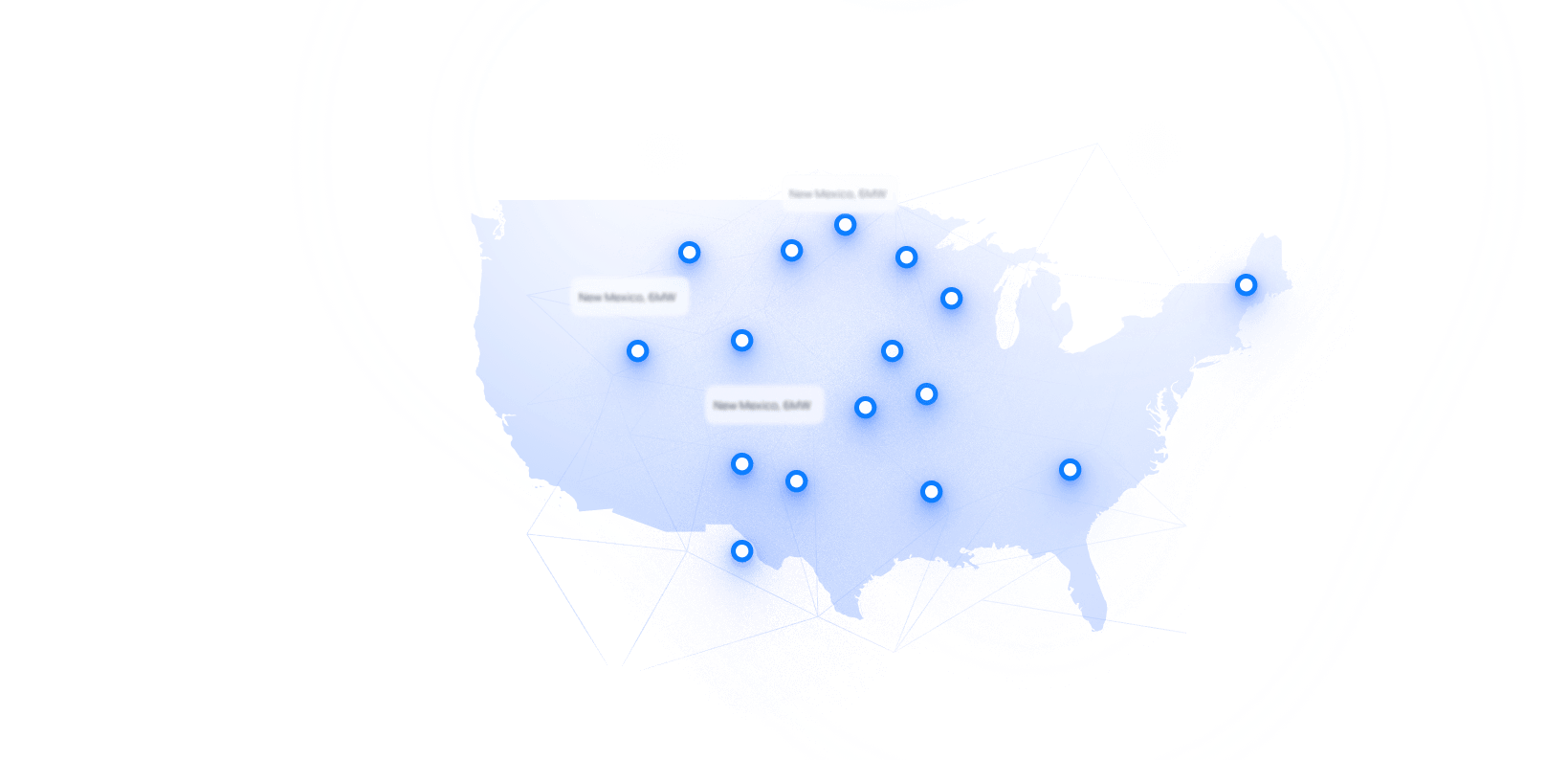
    There are 49 data centers across Massachusetts, spread over 9 distinct markets.

    Data-center providers in Massachusetts support a mix of retail-scale colocation and enterprise-grade hosting, offering high uptime, redundant power/cooling, carrier-neutral connectivity, and managed services.

    The Boston metro area alone accounts for more than 30 data-center facilities.

    Many facilities host multiple carriers, offer cloud on-ramps and peering (including access to major cloud providers), enabling hybrid cloud deployments and robust connectivity.

    Example Massachusetts Colocation Providers & Facilities

    Here are several representative colocation providers/facilities, giving a sense of the options available across the state:

    Provider / FacilityStrengths / What They Offer
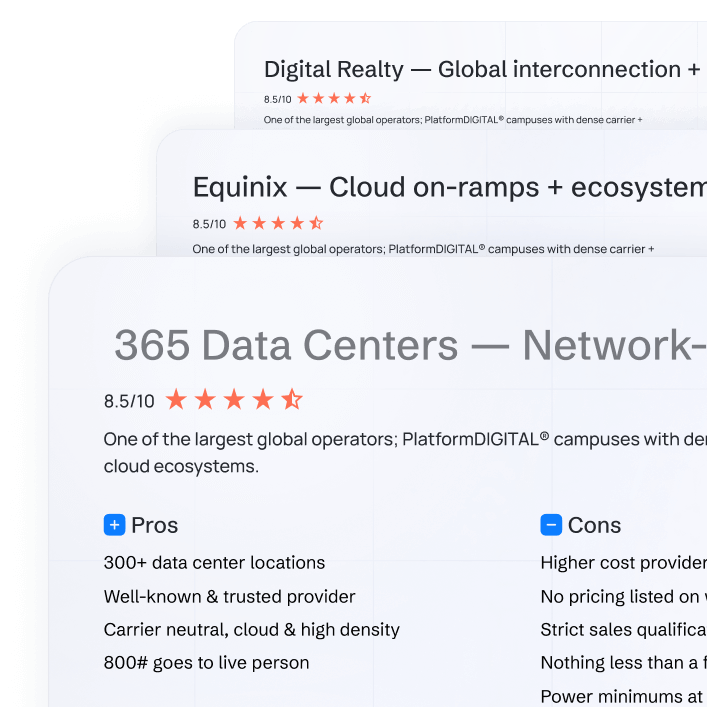
    CoreSite – BO1 Boston Data CenterHigh-density, carrier-neutral colocation in the heart of Boston metro; 273 000+ sq ft space; 24/7 operations & remote-hands; strong cloud and network connectivity.
    Digital Realty – Boston / Greater MA Data CentersLarge data-center footprint, enterprise-grade infrastructure, suitability for larger-scale deployments or multi-tenant colocation.
    Iron Mountain Data Centers – Massachusetts FacilitiesStrong compliance support (HIPAA, PCI-DSS, etc.), trusted by enterprises, with carrier-neutral connectivity and managed hosting services.
    TierPoint – Boston / Andover Colocation CenterTier-III facility, cabinets and cages, full redundancy (2N power), remote-hands support, good for both SMEs and enterprise workloads.
    Centersquare – Waltham & Watertown Data CentersCarrier-neutral, configurable power/space/cooling, remote-hands, flexible colocation offerings for businesses needing adjustable deployments.
    EdgeConneX – Boston Edge Data Center (EDC)Designed for low-latency, edge-heavy workloads and content delivery; good option for companies needing local-market reach or edge footprint in Massachusetts.

    These providers illustrate how Massachusetts colocation spans from downtown Boston to suburban campuses, with offerings for small cabinets up to full-scale suites and high-density deployments.

    How to Choose Massachusetts Colocation (6-Point Checklist)

    1

    Define your IT requirements

    number of servers, power draw, bandwidth, growth trajectory (cabinet vs rack vs suite).

    2

    Assess connectivity needs

    If you need high bandwidth, cloud on-ramp, multi-carrier redundancy or peering, pick carrier-neutral facilities with good network access.

    3

    Check infrastructure & redundancy guarantees

    power redundancy (UPS, generator), cooling, UPS/PDU design (N, N+1, 2N), fire protection, monitoring, SLA levels.

    4

    Compliance, security & managed services

    especially for regulated industries (health, finance), choose providers with compliance certifications (e.g. ISO, PCI-DSS, HIPAA) and on-site support.

    5

    Scalability & flexibility

    choose providers/facilities where you can scale from small to large deployments, add racks or upgrade density as needed.

    6

    Total cost of ownership vs performance

    include rack/cabinet fees, power, cooling, bandwidth, cross-connects, remote-hands – not just base space rental.

    Strategic Advantages of Massachusetts Colocation

    Connectivity & Cloud Integration: Direct access to multiple carriers, cloud providers and fiber networks, enabling fast, reliable performance and hybrid-cloud deployments.

    Mature & Diverse Hosting Market: Wide range of providers and facility types — from retail colocation to enterprise-grade data centers — giving flexibility to any business size.

    Enterprise-grade infrastructure & compliance support: Many data centers meet global standards for security, redundancy, compliance, ideal for critical workloads.

    Scalable & location-flexible hosting: Easy to start small and grow over time; convenient for businesses aiming for long-term IT infrastructure expansion without building their own DC.

    Proximity to business, research & tech ecosystems: Proximity to Boston/Cambridge tech, finance, biotech, education sectors offers potential synergies, partnerships, low latency to clients and services.

    FAQs (Massachusetts Colocation)

    Can I start with a small cabinet or 1U/2U server slot in Massachusetts?

    Yes, many providers offer cabinet-level colocation and small-rack hosting, suitable for lightweight infrastructure or early-stage deployments.

    Are there high-density, enterprise-grade colocation options in Massachusetts?

    Absolutely, providers like CoreSite, Digital Realty, Iron Mountain, TierPoint and Centersquare offer full racks, private cages/suites, high-density power and compliance-ready facilities.

    Is network connectivity good in Massachusetts colocation centers?

    Yes, many facilities are carrier-neutral, offer multiple fiber paths, cloud on-ramps, peering exchanges, and excellent bandwidth, making them suitable for latency-sensitive or bandwidth-heavy workloads.

    What types of businesses benefit the most from Massachusetts colocation?

    Startups, SMEs, SaaS providers, enterprises, research institutions, fintech, biotech firms – any organization needing connectivity, flexibility, compliance, and reliable infrastructure.

    Bottom Line

    Massachusetts colocation – especially in and around Boston – stands out as a robust, mature, and flexible hosting market. With strong connectivity, enterprise-grade infrastructure, compliance-ready providers, and scalable hosting options, it caters to a wide range of business needs from small cabinets to full-scale suites.

    If you value reliability, connectivity, flexibility, and proximity to innovation ecosystems, Massachusetts colocation should definitely be on your shortlist.

    If you like, I can build a comparison matrix of 5-10 top Massachusetts colocation facilities indicating rack-space options, power capacity, connectivity strengths, and approximate pricing range. Do you want me to prepare that for you now?

    Request Custom Quote
    Bob Spiegel, CEO at www.quotecolo.com
    X