
20U–22U Colocation Prices (Half Rack / 24U): Compare Costs Across US & Canada Data Centers – Get Curated Quotes in ~2 Hours

The best half rack colocation prices rarely show up in Google or ChatGPT – and quoting can drag for weeks.
Tell us your kW, bandwidth, and location. We’ll send 3–5 vetted options with transparent pricing from 500+ data centers. Free.
Request 20U–24U Quotes (Free)

20U–22U Colocation Price Table (using 24U / 2–3kW baseline)

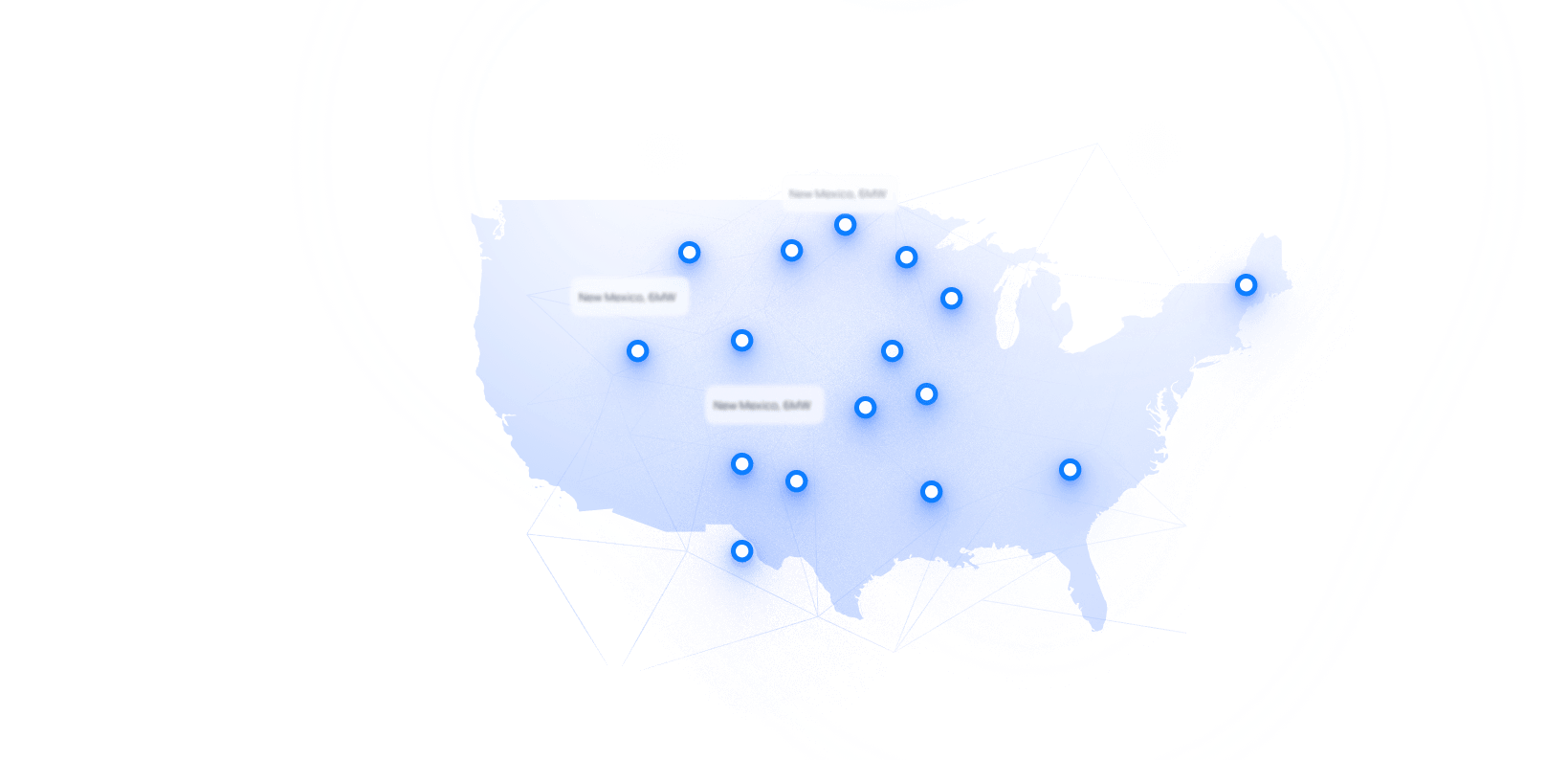
Average monthly pricing by market (24U, 2–3kW, 100M→GIGe+)

Location (1st city only)24U (2–3kW) Monthly Price RangeNotes
Boston, MA$809 – $1,188Northeast value leader; strong low-latency to NY/cloud regions
Atlanta, GA$1,045 – $1,425Southeast hub; excellent regional reach for mid-sized footprints
Chicago, IL$1,045 – $1,425Central U.S. sweet spot; competitive for 2–3kW half-racks
Dallas, TX$1,045 – $1,425Power + carrier density; frequent 20U deployment market
NYC, NY$855 – $1,045Financial access at competitive rates for dense interconnect
Virginia (NoVA)$818 – $1,045Premium East Coast; carrier/cloud on-ramps included
Los Angeles, CA$855 – $1,045One Wilshire ecosystem; peering value for West Coast
Toronto, ON (Canada)$1,234 – $1,425Canadian premium; CAD/USD flexibility for cross-border
Denver, CO$1,211 – $1,615Mountain West growth market; latency to Rockies
New Jersey$665 – $950Northeast bargain; rich carrier hotel options
San Jose (Bay Area), CA$713 – $1,663Silicon Valley core; bandwidth economics shine
Ashburn, VA$1,045 – $1,330Interconnect king; justifies premium for 20–22U density
Santa Clara, CA$855 – $1,425Bay Area secondary; strong hyperscaler proximity
Sacramento, CA$713 – $855CA Plan B value; power availability advantage
San Diego, CA$1,425 – $1,663Premium coastal; LatAm gateway potential
Houston, TX$703 – $950Gulf Coast steal; energy pricing advantage
Austin, TX$1,240 – $1,425Emerging tech hub; growth headroom for expansions
Miami, FL$1,045 – $1,425Subsea cable access; LatAm traffic sweet spot
Tampa, FL$617 – $1,330Florida value play; regional carrier density
Orlando, FL$532 – $1,425Lowest entry pricing; strong for Southeast DR
Phoenix, AZ$474 – $1,188Best $/kW nationally; abundant power for 3kW loads
Seattle, WA$1,188 – $1,425PNW hyperscaler adjacency; premium bandwidth
Las Vegas, NV$1,188 – $1,425Gaming/power niche; unique expansion potential
Salt Lake City, UT$1,045 – $1,425Mountain West reliability; low natural disaster risk

*Notes: Actual quotes vary by date, availability of special promotions, exact power draw, A/B requirements, bandwidth model, cross-connects, and term length.

What’s typically included by default (aka “the base package”)

Most “half rack / 24U” packages
typically include:

  • Reserved space: 20U–24U (often sold as “half rack”)

  • Power: 2–3 kW commit (power model varies)

  • Network: 100 Mbps to 1GbE+ handoff options (commit/burst/95th/unmetered varies)

  • Basic cooling within that kW tier

  • Facility access + standard security controls

What’s not consistently included (and changes TCO fast):

  • A+B redundant power (often extra)

  • Cross-connects (MMR fees)

  • Remote hands allowances (hourly if you use it)

  • Setup fees / install fees

  • IP blocks beyond a small default allocation

Your real monthly bill will be higher

Example A – “Seems cheap”
turns into real TCO

Quoted: 24U / 2–3kW for $855/mo
Common add-ons:

  • Remote hands (2 hours/mo): +$300–$450

  • 1 cross-connect (or MMR access): +$75–$250

  • Short term (12 mo) premium: +$100–$250

Realistic total: $1,330–$1,805/mo (+55% to +110%)
(Depends heavily on provider policies, not just market.)

Example B – Bandwidth model makes the “same” rack cost very different

Two quotes both say “1GbE”… but:

  • Quote #1 includes 1Gb port / low commit (cheap)

  • Quote #2 includes higher commit or different billing (not cheap)

Result: same rack, different bill – without anyone “lying.”
You just need to compare network model, not marketing words.

Half racks are where ‘fine print pricing’ lives

“With 20U–24U colocation, the rack price is rarely the whole story.
The difference between a good deal and a painful contract is usually the power model, bandwidth billing, cross-connect fees, and remote hands.
Our job is to surface those details and shortlist providers that actually match your footprint – without wasting your week on calls.”

On average, our clients save 15% compared to list pricing. Over 12 years, we’ve helped 750+ companies find the right colocation.”

Request Custom Quote
Bob Spiegel, CEO at www.quotecolo.com

Why go through a broker? (spoiler: it’s faster)

Because 20U buyers get stuck in the “too small / too annoying” zone.

Some facilities:

  • prioritize multi-rack deployments

  • delay pricing unless you schedule a call

  • send a “from $___” number that excludes what you actually need

With QuoteColo you get:

  • 3–5 best-fit offers matched to your U size + kW + network

  • providers that accept 20U–24U footprints (no “minimum 1 full rack” nonsense)

quick comparison across the stuff that moves your bill: A/B power, bandwidth model, cross-connects, remote hands, term escalators

How It Works

Step 1
Step 1
Submit Your Requirements

You send requirements (location + 20U/22U/24U, kW, bandwidth, timeline)

Step 2
Step 2
Receive Verified Quotes

We shortlist best-fit data centers from our partner network

Step 3
Step 3
Choose & Deploy

You get curated quotes + “gotchas” called out (same day when possible)

Why Choose Us

  • Access to 500+ Hosting Colocation Facilities
  • 10% OFF Avg. Annual Savings
  • Trusted service since 2004

Get Free Quotes From Providers

Describe your needs and and we’ll email you 3-5 options with pricing and terms from providers that match. Free.

    Who actually uses our 20U–22U provider comparison

    IndustryCommon ProblemsWhy 20U–22U Colocation
    SaaS / web platforms“The quote is vague until we schedule a call”

    Cloud egress killing margins; need predictable rack + bandwidth costs

    Stable workloads move to colo for 40–60% TCO savings vs public cloud
    Infra / network teams“We got a cheap rack price but the network and hands fees doubled it” 

    Need carrier diversity without full 48U commit

    Half-rack gets MMR/cross-connect access at rack-scale economics
    Growing SMBs“We need remote hands and shipping/receiving – and half the facilities don’t want to deal with it” 

    Outgrew 10U, not ready for full rack

    Bridge footprint: serious Tier III uptime without overbuying space/power 

    FAQs – 20-22U Rack Colocation

    Do you offer pricing for exactly 20U or 22U (not 24U)?

    Yes – 24U is a baseline tier for comparison, but we quote exact U sizes.

    What’s the fastest way to lower cost?

    Pick the right market + confirm the power model + avoid hidden MMR/remote hands surprise

    What power is “normal” for 20U–24U?

    2–3kW is common baseline. If you’re pushing more, pricing shifts quickly.

    Can you do US and Canada?

     Yes, both.

    Popular Client Requests

    “Need 22U, ~2.5kW, 1GbE, remote hands – no local staff.”
    “Need 20U in NY/NJ/VA for latency. Show a cheaper Plan B market too.”
    “Need shipping/receiving + install help. We can’t fly someone out.”

    No client is too small

    20U isn’t small – it’s a serious footprint

    If you need a half rack and you’re ready to buy, you shouldn’t have to beg for pricing.
    We’ll route you to providers that:

    quote quickly

    accept smaller deployments

    don’t bury costs in fine print

    20U Colocation Provider Selection – Buyer’s Guide

    Before you sign, confirm:

    • Power billing: reserved vs metered, overage policy, A/B definition

    • Bandwidth: commit vs 95th vs unmetered (and what’s actually included)

    • Cross-connect pricing (NRC + MRC)

    • Remote hands: rates + minimum increments + after-hours multiplier

    When evaluating colocation providers for a half-rack deployment, CTOs should weigh more than just price. Below are key factors to consider to ensure the colocation solution meets your technical and business needs:

    • Power & Cooling Headroom:

      Ensure the facility can support sufficient power density for your equipment (e.g. 2–4 kW for a 20U half-rack). High-density servers (GPU clusters, AI rigs) require ample power and cooling. Verify the data center can deliver the needed kW per rack and has infrastructure to cool continuous high loads. It’s wise to confirm you can upgrade to a larger circuit or add a second feed later if your power needs grow.

    • Network Port Speeds & Connectivity:

      Evaluate the bandwidth options and carrier ecosystem. A standard plan might include a 1 Gbps port, but if you run intensive workloads (big data backups, AI training, streaming), check if 10 Gbps or higher ports are available. Also review the carrier neutrality and fiber routes – a good colo should offer multiple carriers, low-latency routes, and cloud on-ramps (direct connects to AWS, Azure, etc.) for flexibility. Sufficient internet capacity and redundancy is critical to prevent bottlenecks.

    • SLA Commitments & Facility Access:

      Scrutinize the Service Level Agreements – top providers will guarantee 99.99% uptime or better, with clearly defined remedies if they fail to meet it. Look for data centers built to Tier III or IV standards (fault-tolerant infrastructure) which underpin higher uptime reliability. Also consider support SLAs: do they offer 24×7 on-site staff and quick remote-hands response? Ensure you have 24/7 access to your gear (many colos provide secure badge access any time) or a process for emergency access. Strong SLAs and support commitments give confidence that the provider will promptly address issues and maintain reliability.

    • Security & Scalability:

      Evaluate physical security measures and room for growth. Your half-rack should be in a lockable cabinet or secure cage partition, with monitored access control, CCTV surveillance, and onsite security personnel. Enterprise-grade colocation facilities offer multi-layer security (biometrics, man-traps, etc.) to protect your hardware. Additionally, consider future scalability: if you might need a full rack or additional racks later, choose a provider that can accommodate expansion in the same campus. Verify policies on upgrading from a half cabinet to a full cabinet – and whether the provider can handle higher power densities down the road (important for scaling vertically with more powerful servers). The ability to scale without relocating is a big advantage as your infrastructure grows.

    • Transparent Pricing – Avoid Hidden Fees:

      Colocation quotes can be complex – make sure you understand what is (and isn’t) included in the monthly fee. Common charges to look out for include: cross-connect fees (to connect your rack to carriers, cloud services or exchange points), remote hands fees (hourly charges for any work technicians do on your equipment), additional IP address costs, and power overage charges if you exceed your power allocation. Some providers may advertise a low base price but exclude essentials like sufficient bandwidth or any cross-connects – leading to surprise add-on costs. For example, in one Chicago facility, adding a few cross-connects, extra bandwidth, and 1 hour of remote hands drove an initially “cheap” $3,900/month quote up to ~$4,800/month. The best practice is to get a full breakdown of all recurring and one-time fees in writing. A reputable colo provider (or broker like QuoteColo) will be transparent about total costs so you can avoid billing surprises.

    By focusing on these real-world considerations – from power and network capacity to contractual terms – you can select a 20U colocation solution that balances cost with the performance, reliability, and scalability your business requires. Always compare multiple options if possible, and don’t hesitate to ask providers detailed questions on infrastructure and pricing. With due diligence, a half-rack colocation can offer a secure, high-performance home for your servers at a fraction of the cost of building your own facility, especially when leveraging broker discounts for additional savings.